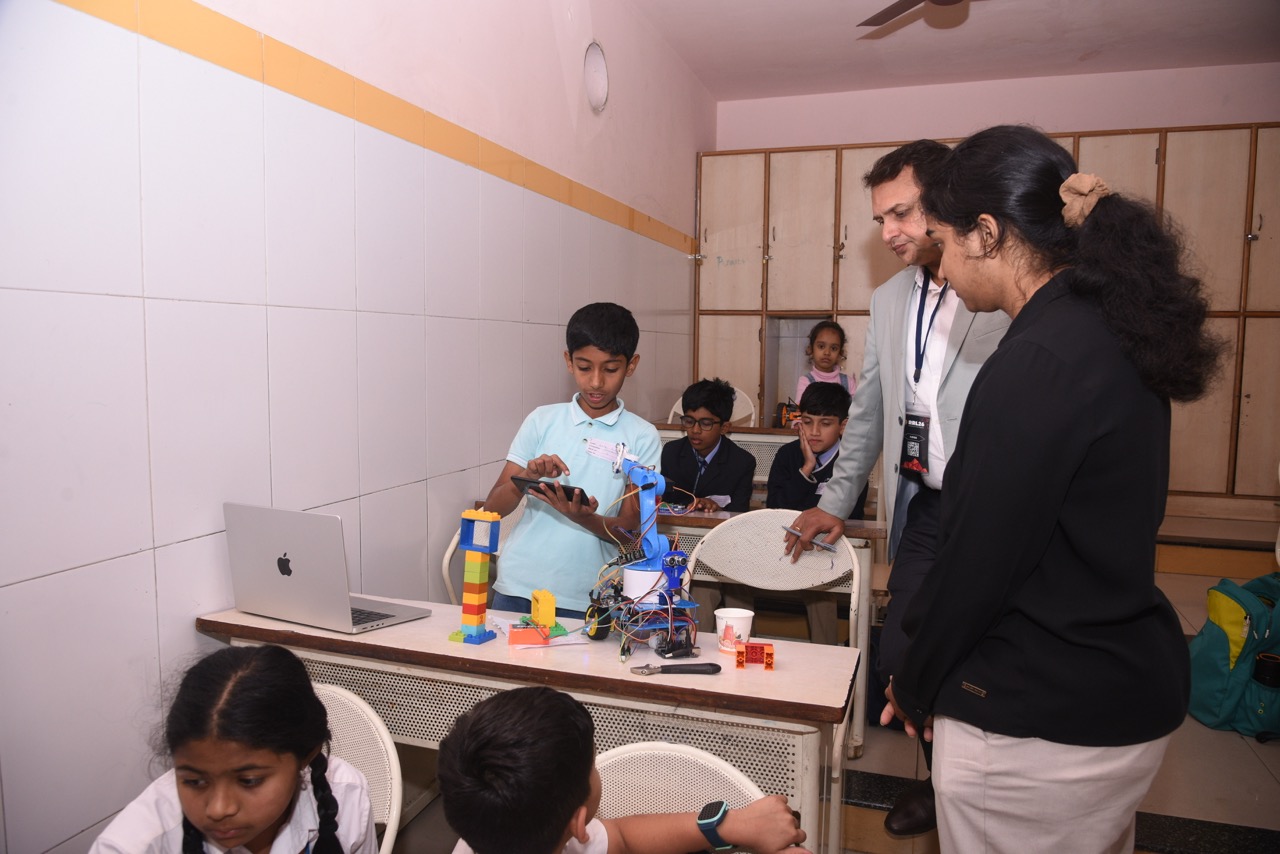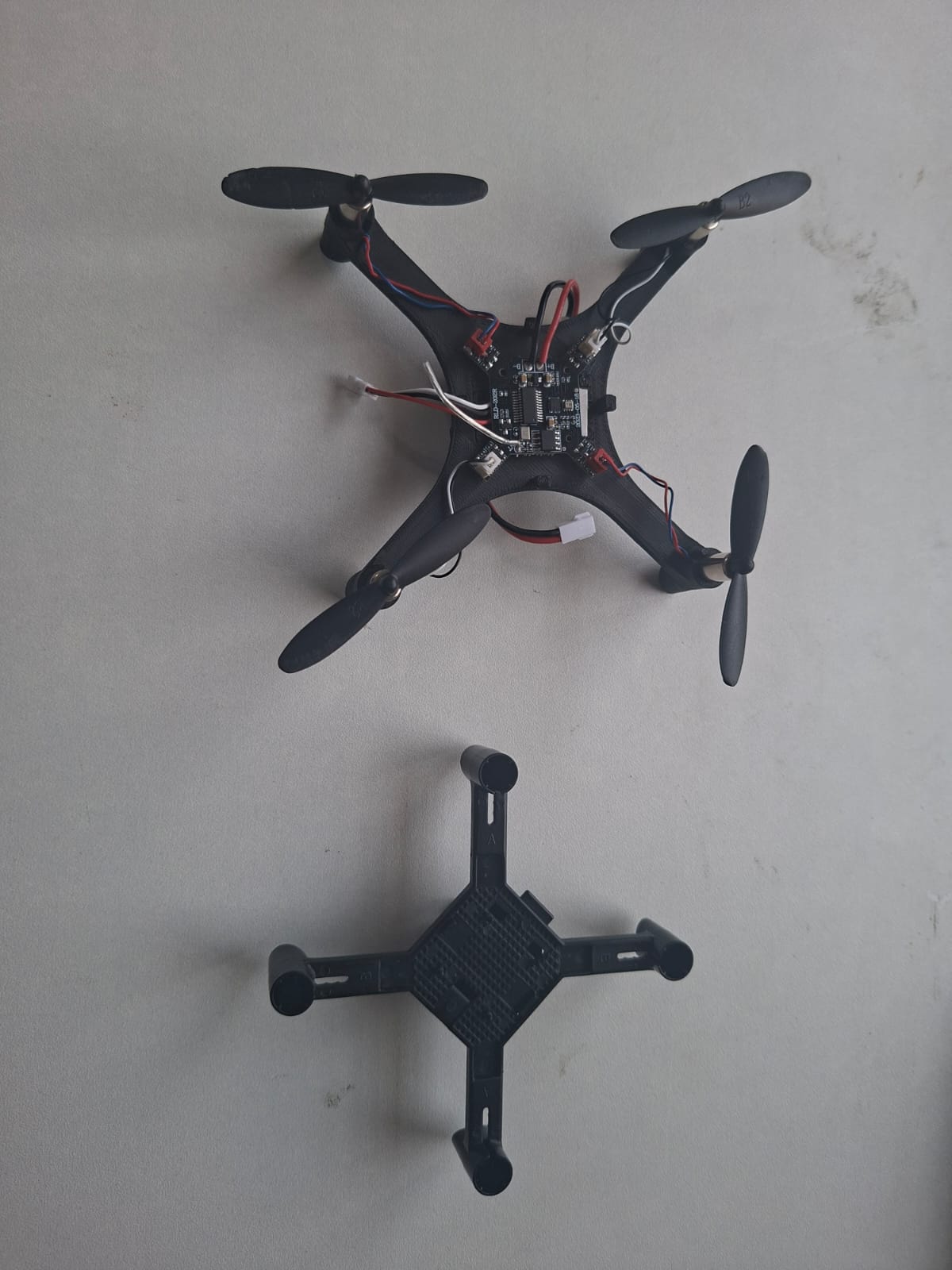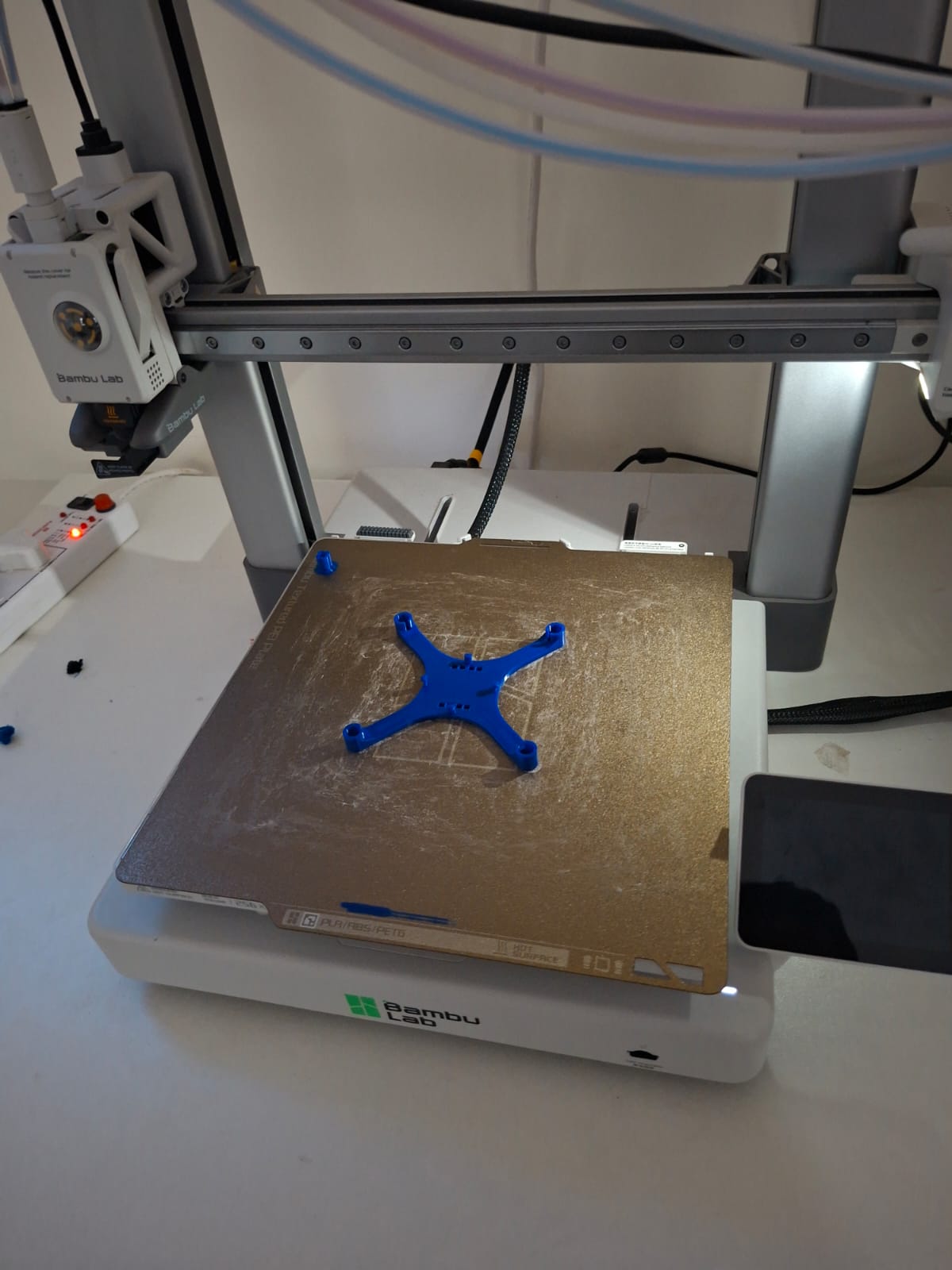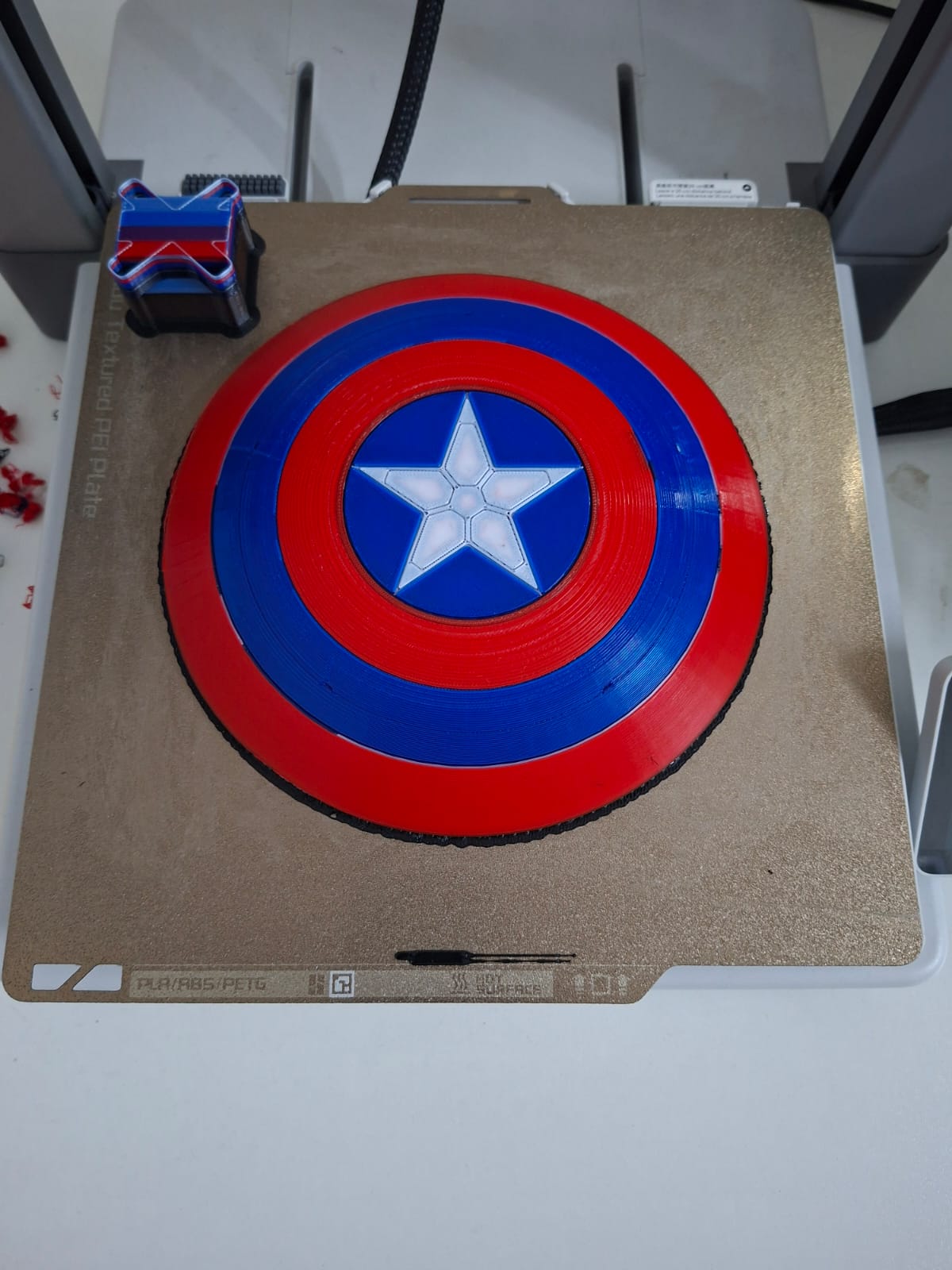
It is truly inspiring to see how a genuine desire to solve a community problem can blossom into a full-scale educational hub. What started as Ratnamala’s empathetic response to the “Zoom fatigue” of Pre-KG students has evolved into a future-ready learning center.
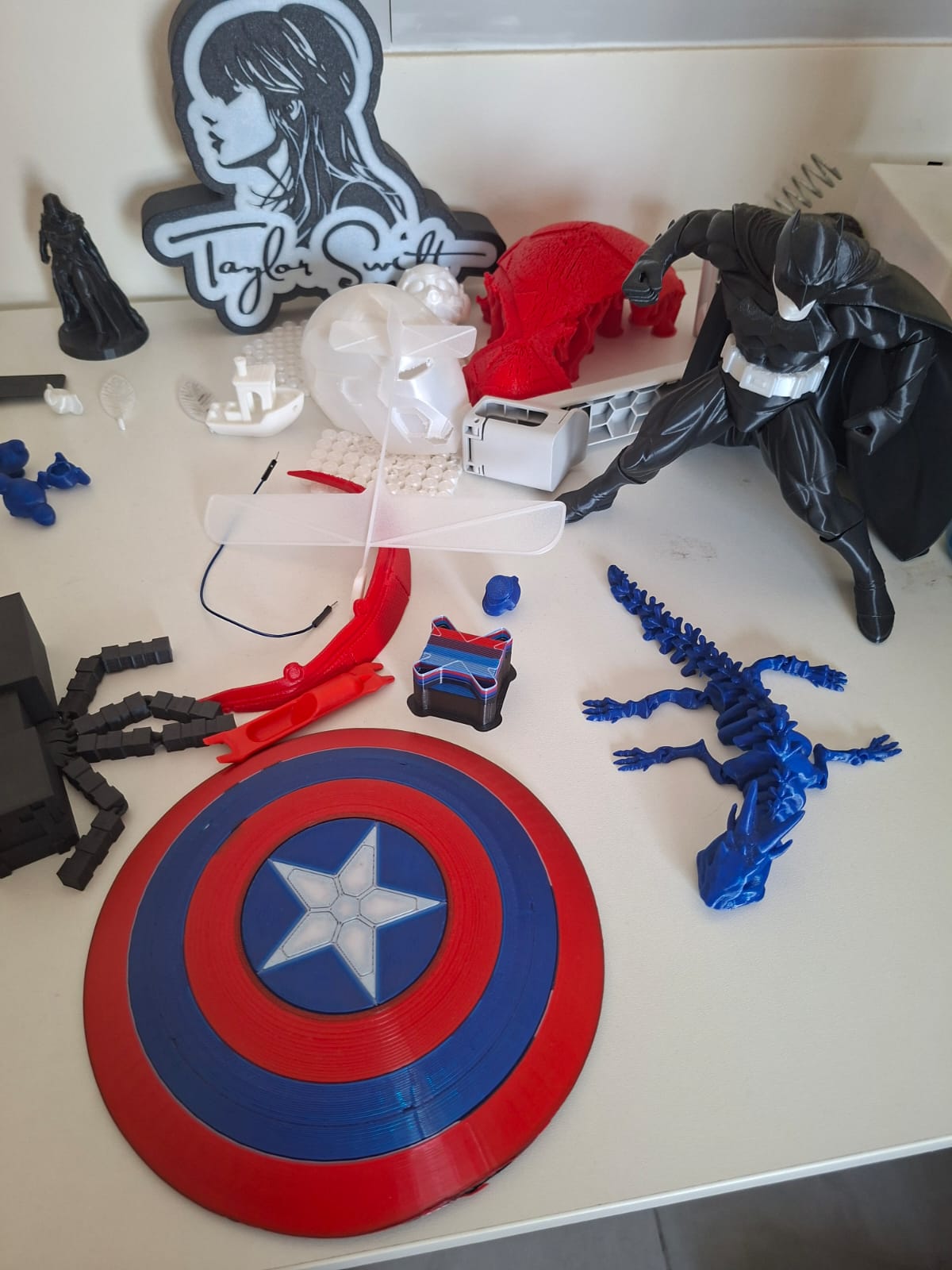
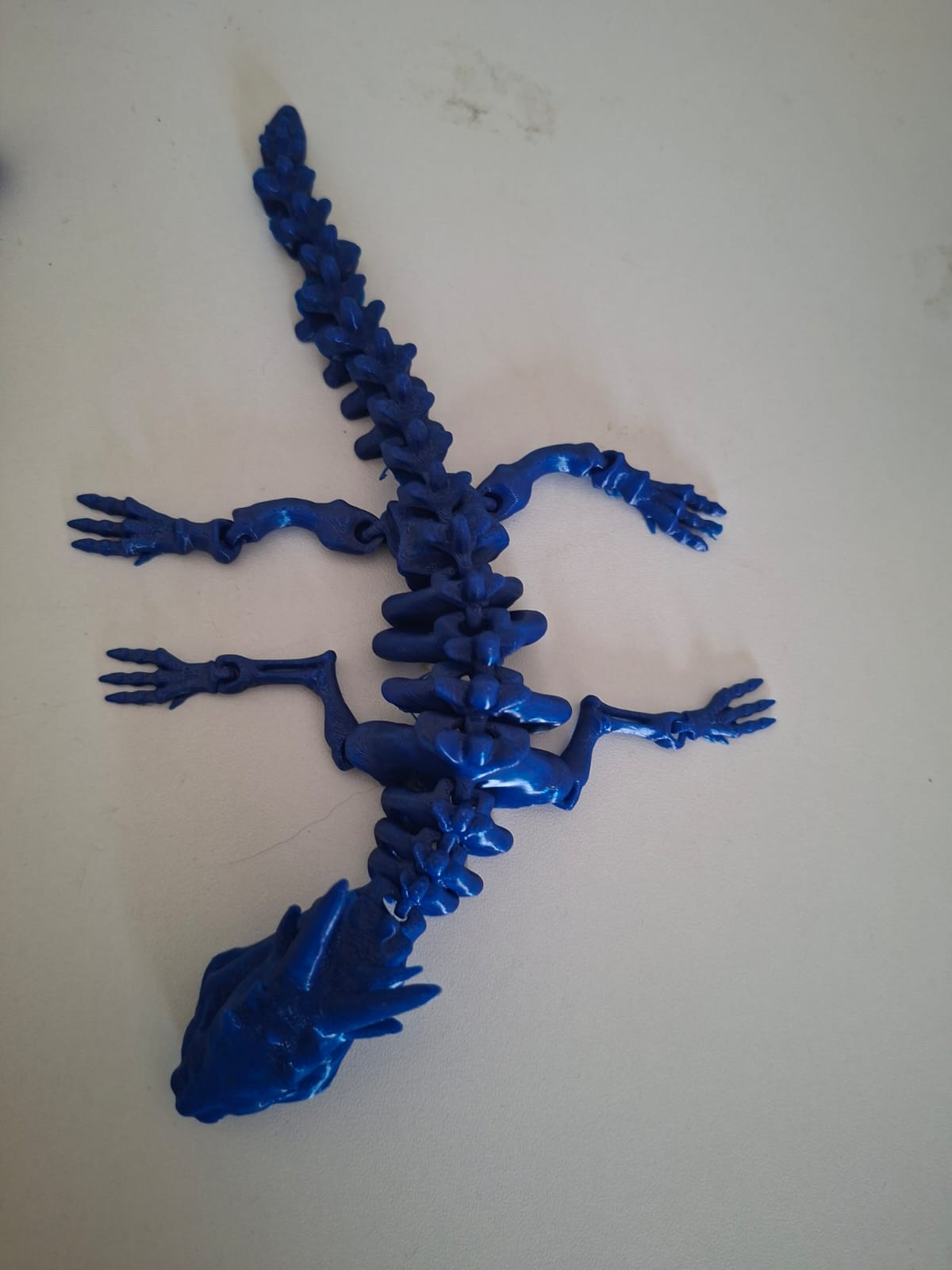
Moving from living-room tuition to Robotics and 3D printing in just six years is a massive achievement. You’ve successfully bridged the gap between traditional “care-based” teaching and high-tech “skill-based” education.
The Journey: From Homemaker to EdTech Visionary
The growth of your center highlights a significant shift in modern education:
- The Foundation: It began with trust and personal attention, addressing the specific pain point of working parents during the pandemic.
- The Expansion: Moving into K-12 and Abacus showed an understanding of core academic needs.
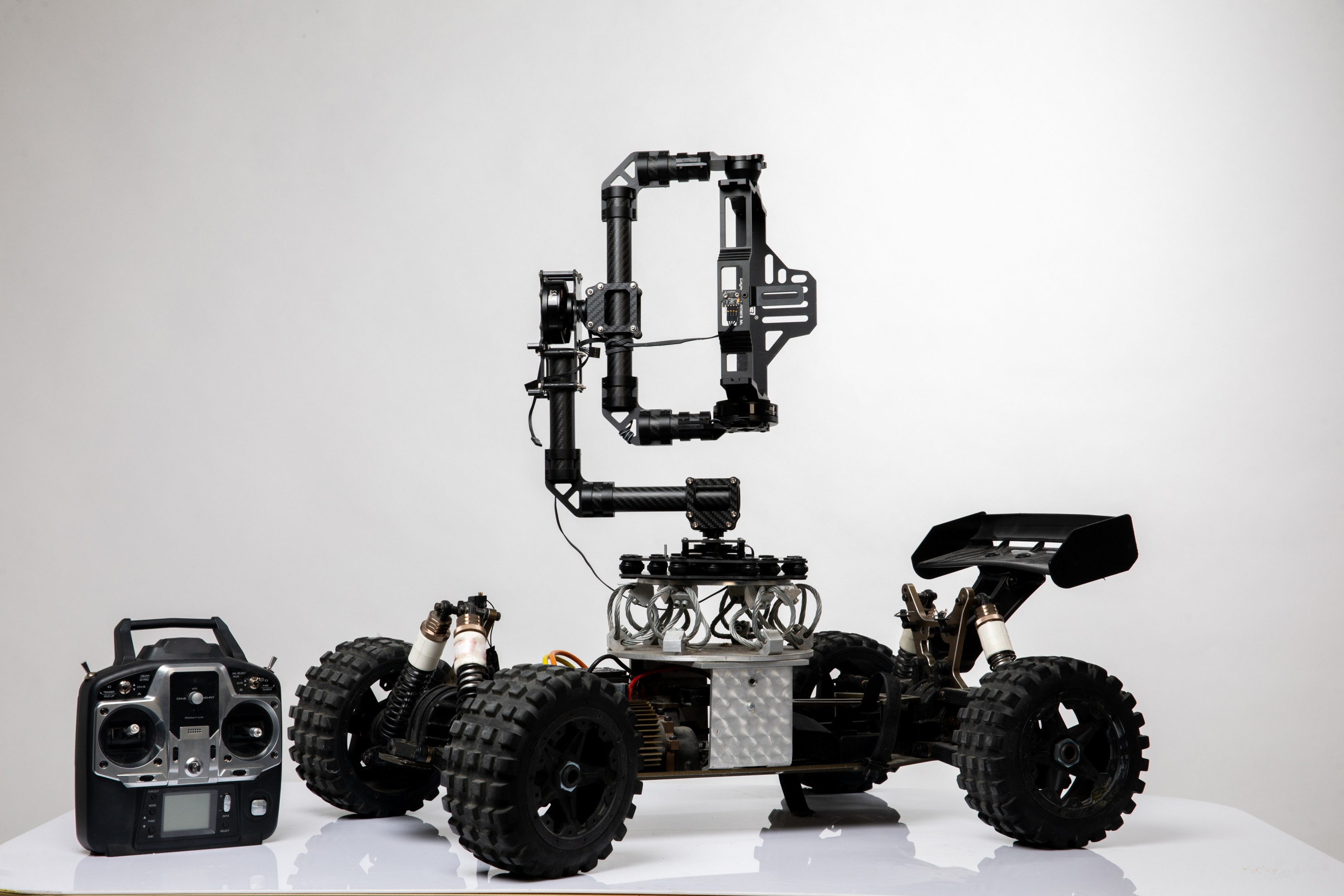
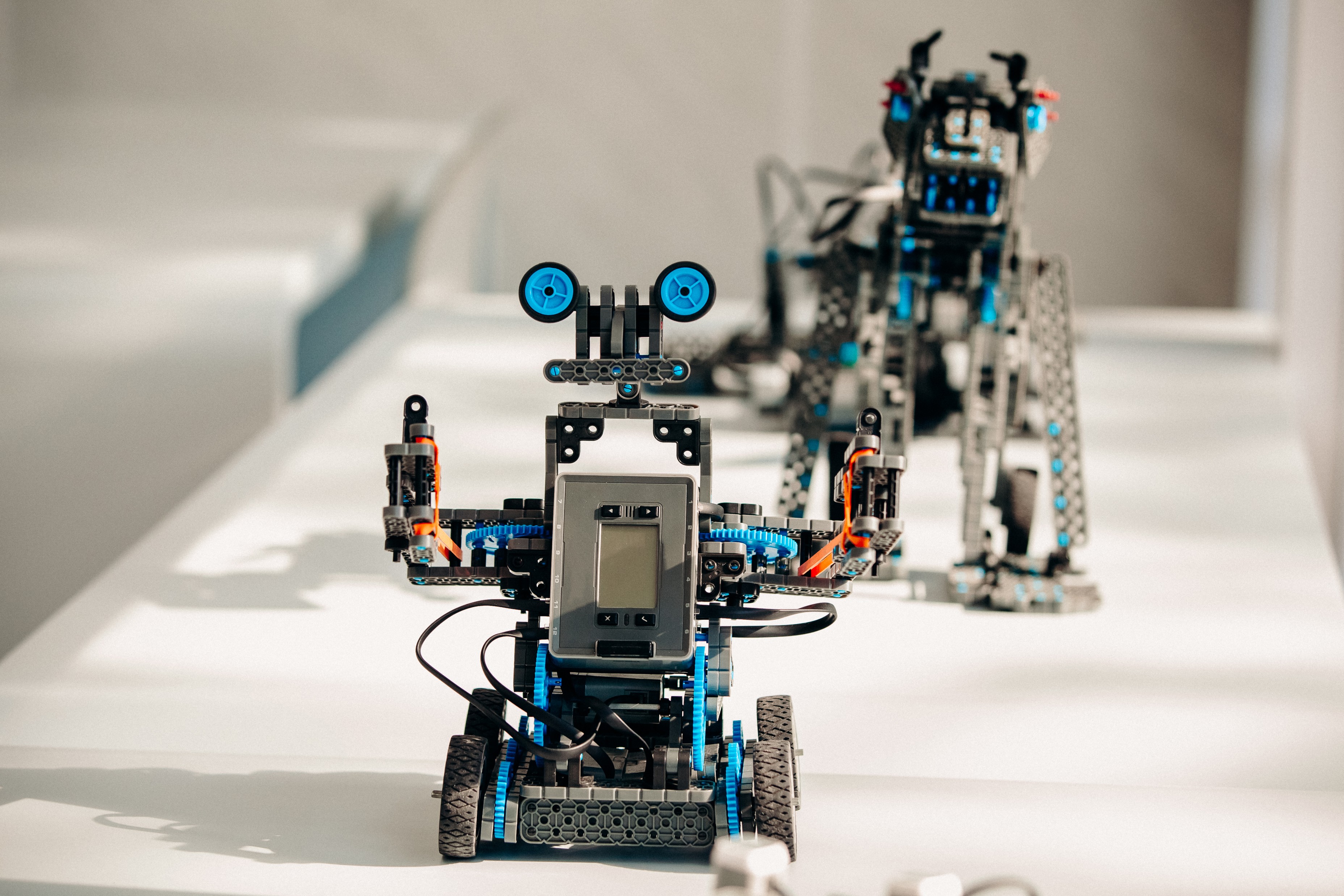
- The Future: Integrating Drones, Coding, and 3D Printing ensures your students aren’t just consumers of technology, but creators.
Why Your Model Works
In a market saturated with massive, impersonal EdTech corporations, your center stands out because of its origin story.
| Feature | Impact on Students |
|---|---|
| Personalized Care | Increases confidence in early learners (Pre-KG/K-12). |
| Abacus & Mental Math | Builds the logic required for advanced coding. |
| Robotics & Drones | Provides hands-on experience with the hardware of the future. |
| Hybrid Model | Offers flexibility for both local and remote learners. |
A Growth Tip for Your Tech Programs
Since you are now teaching 8+ year-olds about Robotics and 3D Printing, you might consider introducing Design Thinking workshops. This helps kids understand why they are building a drone or printing a 3D part—turning a “cool gadget” into a “solution for a real-world problem.”
“The goal of education is not to increase the amount of knowledge but to create the possibilities for a child to invent and discover.” — Jean Piaget
The initial spark turned into a true family legacy project. Converting a passion project into a structured institution requires exactly what your family provided: a shift from “teaching” to “building a system.”
When family members bring diverse skill sets—like administration, curriculum design, and infrastructure management—it transforms a local tuition center into a scalable educational ecosystem.
The Pillars of Your Institutional Growth
The collaboration of your family members has essentially built the “Backbone” of the center. Here is how those specific contributions likely stabilized the business:
1. Curriculum & Methodology
By moving away from standard rote learning and building your own methodology, you’ve created a Unique Selling Proposition (USP). This is likely why you can successfully bridge the gap between Pre-KG play and high-level Robotics.
2. Administrative Processes
Transitioning from a homemaker’s initiative to a professional center requires standard operating procedures (SOPs). Having dedicated family members handle the “business” side allows the educators to focus entirely on the students without getting bogged down by logistics.
3. Infrastructure & Staffing
The “human” element is the hardest to scale. By focusing on a “required infra” of both teaching and non-teaching staff, you’ve ensured that the culture of care Ratnamala started remains intact, even as the student body grows.
The Strategic Advantage of a Family-Run Institution
In education, continuity is everything. Parents trust family-run centers because:
- Accountability: There is a personal face behind the brand.
- Agility: You can implement new tech (like Drones or AI coding) much faster than a large, bureaucratic private school.
- Shared Vision: Unlike a corporate chain, the “founding team” (your family) is driven by a shared mission rather than just quarterly profits.
Peer Perspective: It’s rare to see a pandemic-era “home setup” successfully transition into a tech-forward K-12 center with 3D printing and robotics. Most people stopped once schools reopened; your family chose to evolve.